Best Kindle Alternatives (2026)
There are plenty of reasons to look past Amazon: you want to own open EPUB files, borrow easily from your library, avoid a walled garden, or simply not give Amazon more of your reading life. The reassuring news is that the alternatives are excellent, and in some areas better than Kindle. Here is what you gain by leaving, and the best non-Kindle readers for every kind of reader.



What You Gain by Leaving Kindle
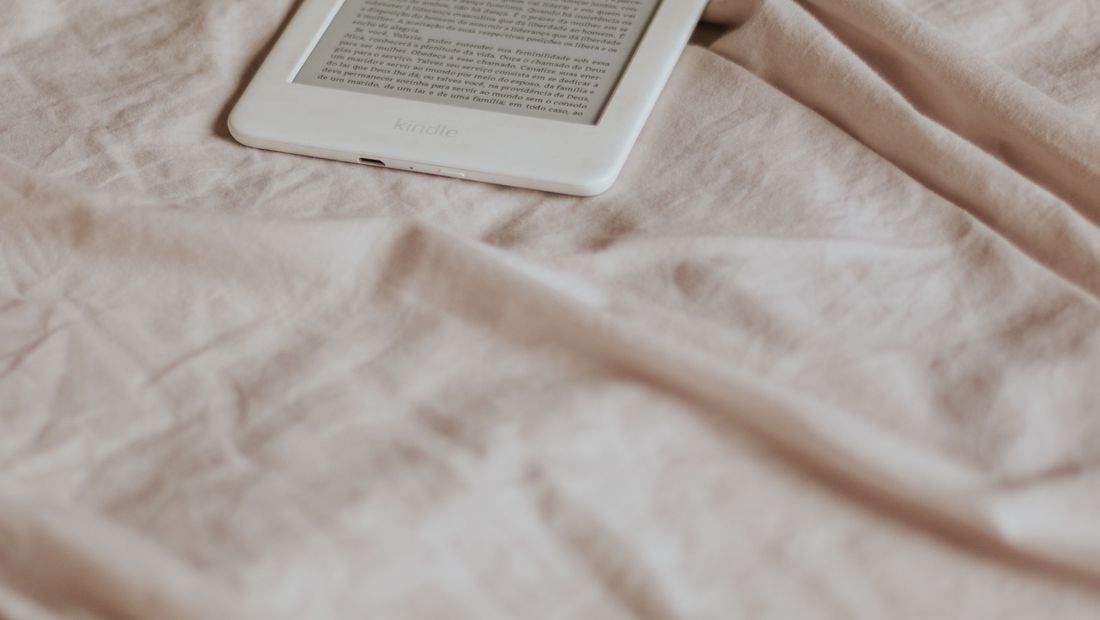
Leaving Amazon mainly buys you openness. Most alternatives read EPUB natively, so you own standard files rather than Amazon's format, and they make library borrowing through OverDrive and Libby far smoother. You also escape the walled garden, buying books from multiple stores. What you give up is Amazon's polish, its enormous store and features like Whispersync, so weigh what you actually value.
Best Overall Kindle Alternative
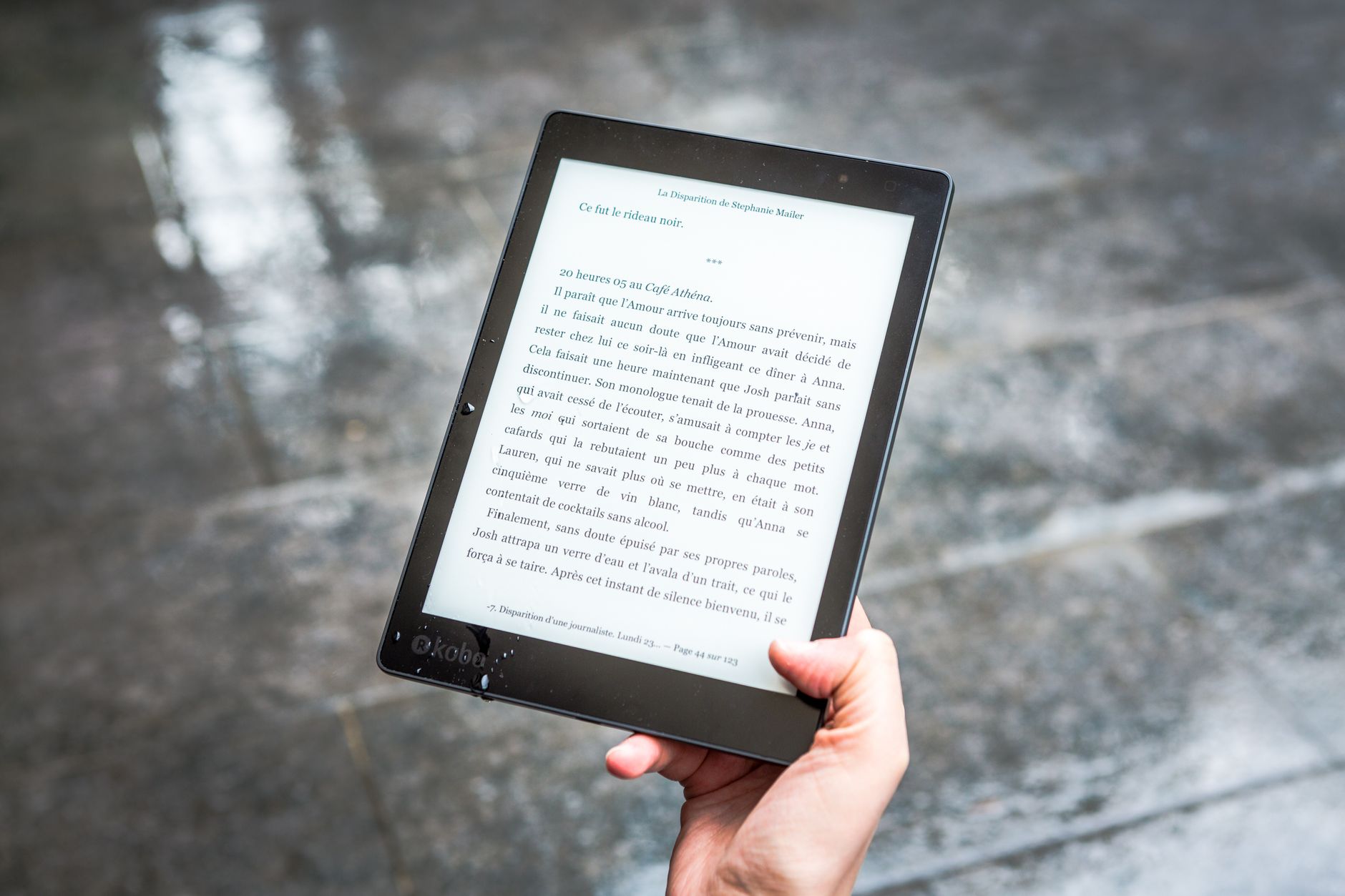
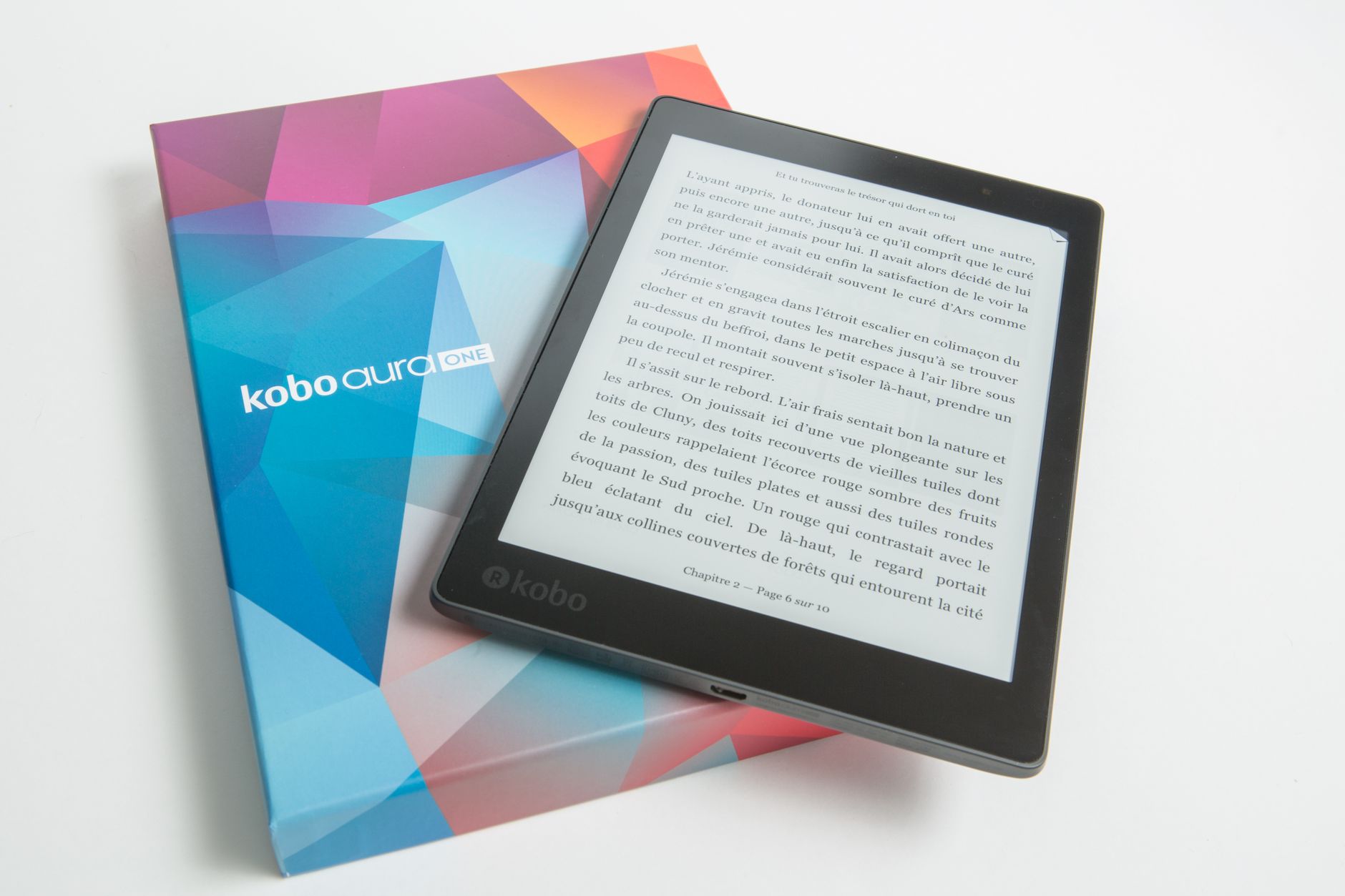
Kobo is the obvious answer and a superb one. The Kobo Clara BW, Libra 2 and Libra Colour match or beat equivalent Kindles on hardware, add native EPUB and built-in OverDrive and Libby library borrowing, and run genuinely polished software. For most people leaving Kindle, a Kobo is the natural home and the easiest switch.
Best for Openness and Formats
If maximum format freedom is the goal, PocketBook readers handle an unusually wide range of file types natively and are strong in Europe, while Tolino integrates local European bookstores and library lending. These are the picks for readers with mixed file collections or those who want to buy from local, non-Amazon booksellers.
Best for Writing and Flexibility
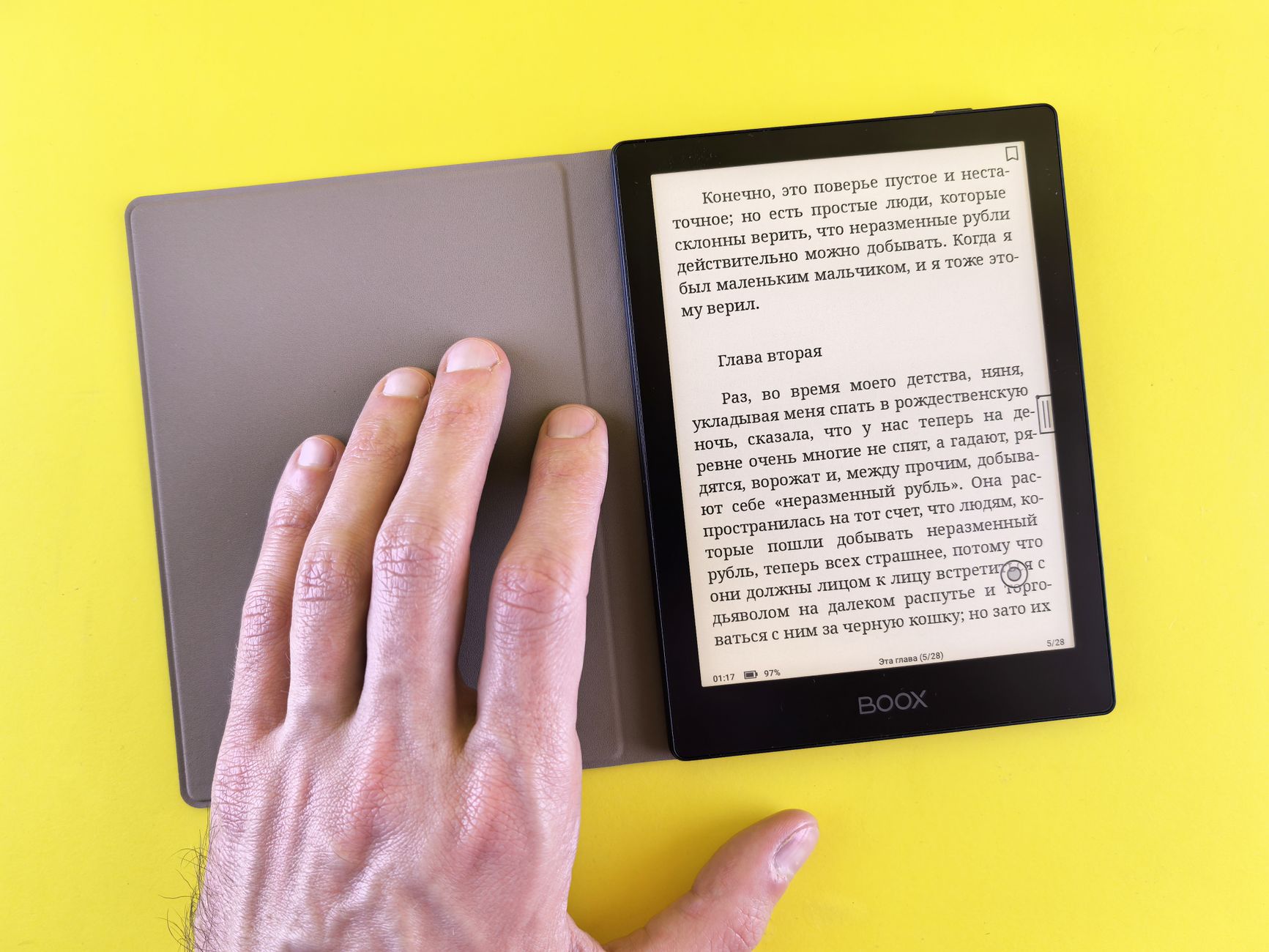
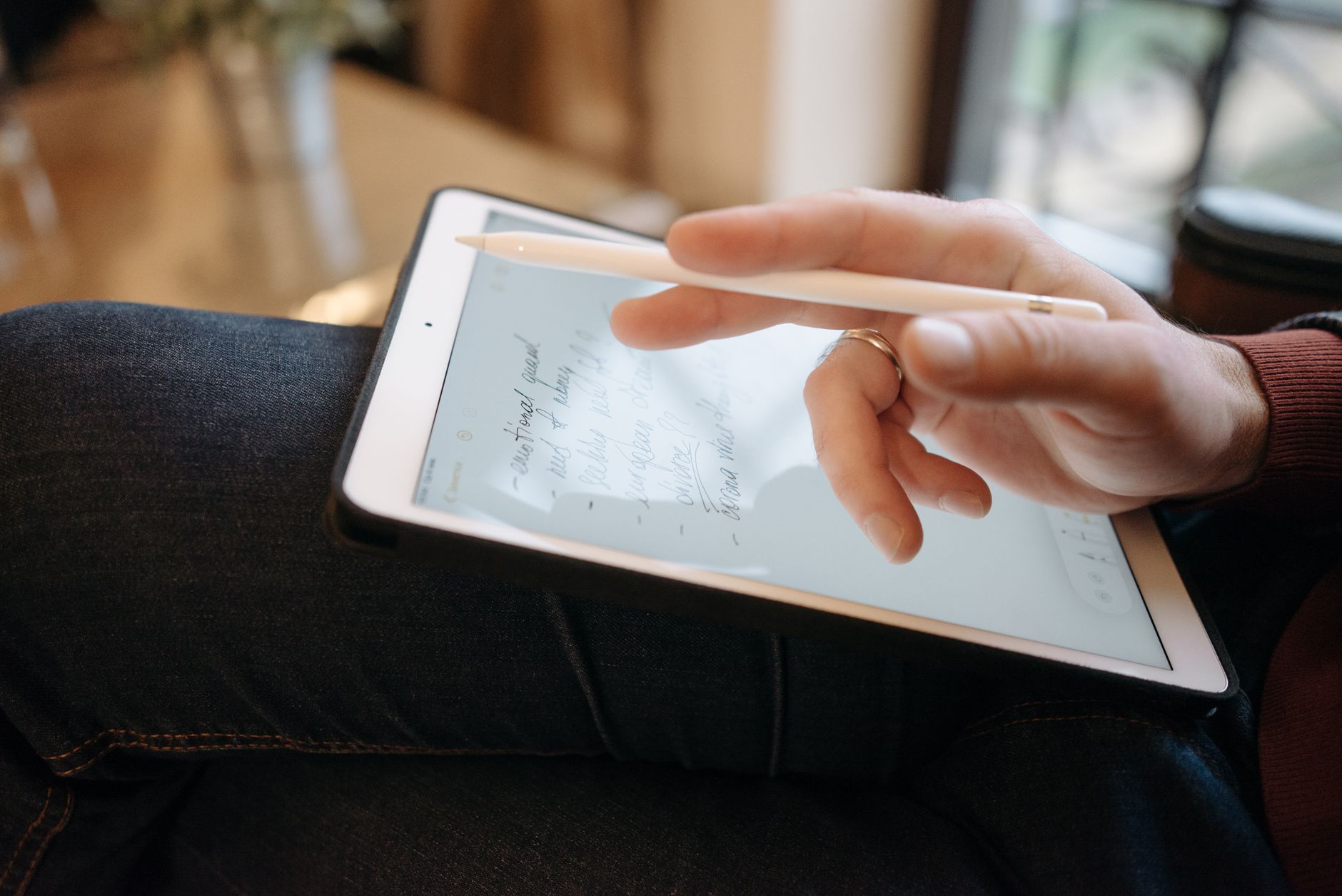
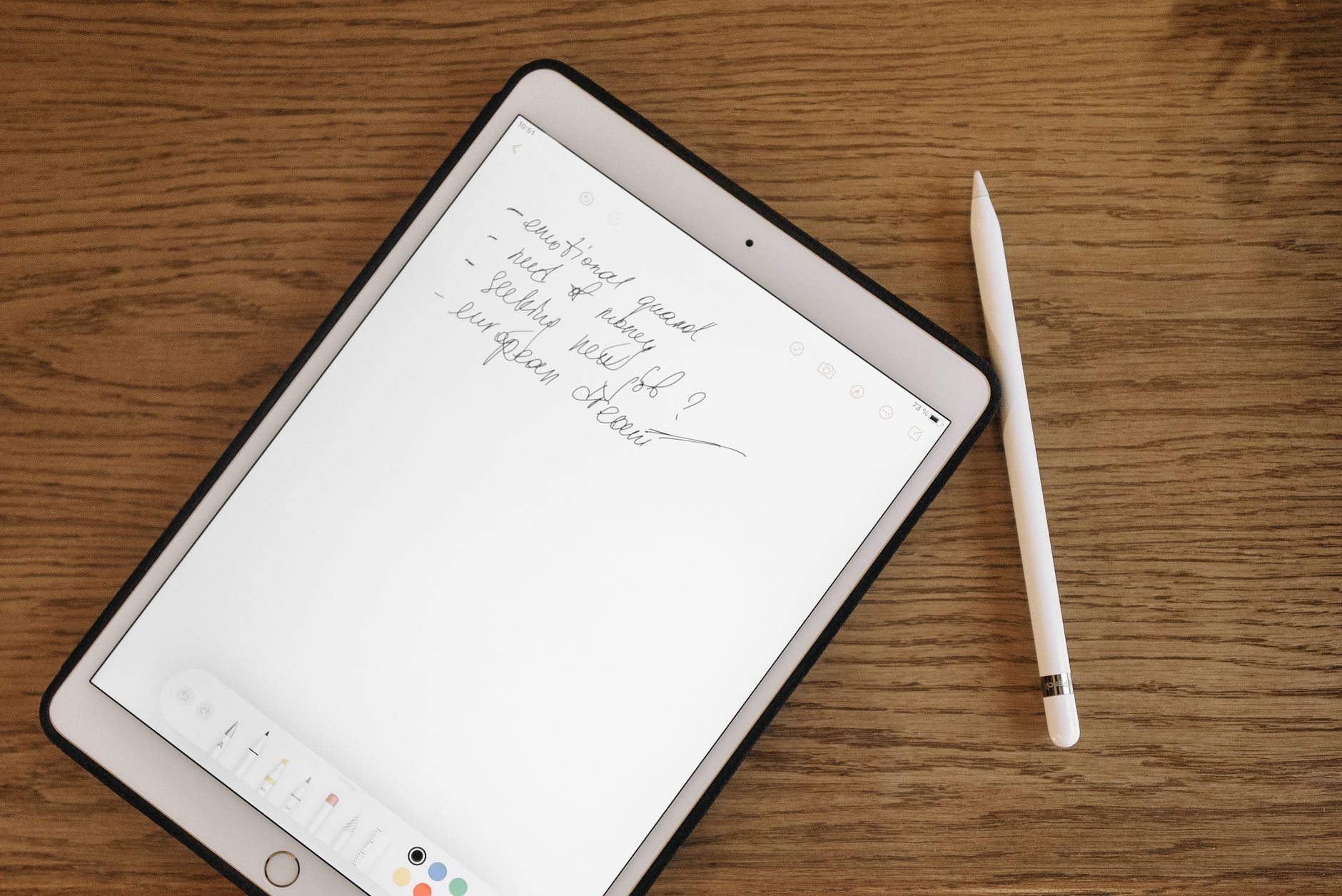
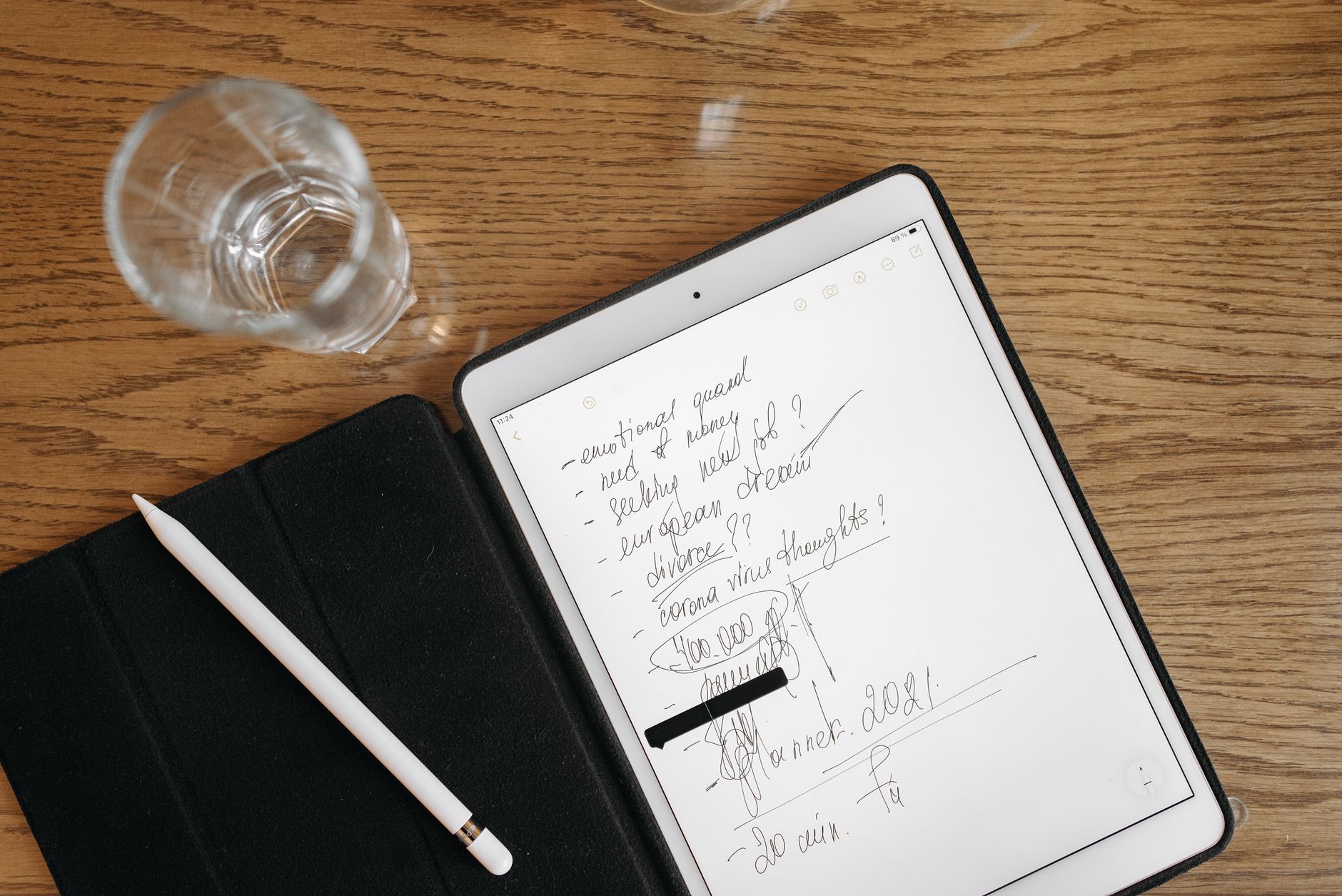
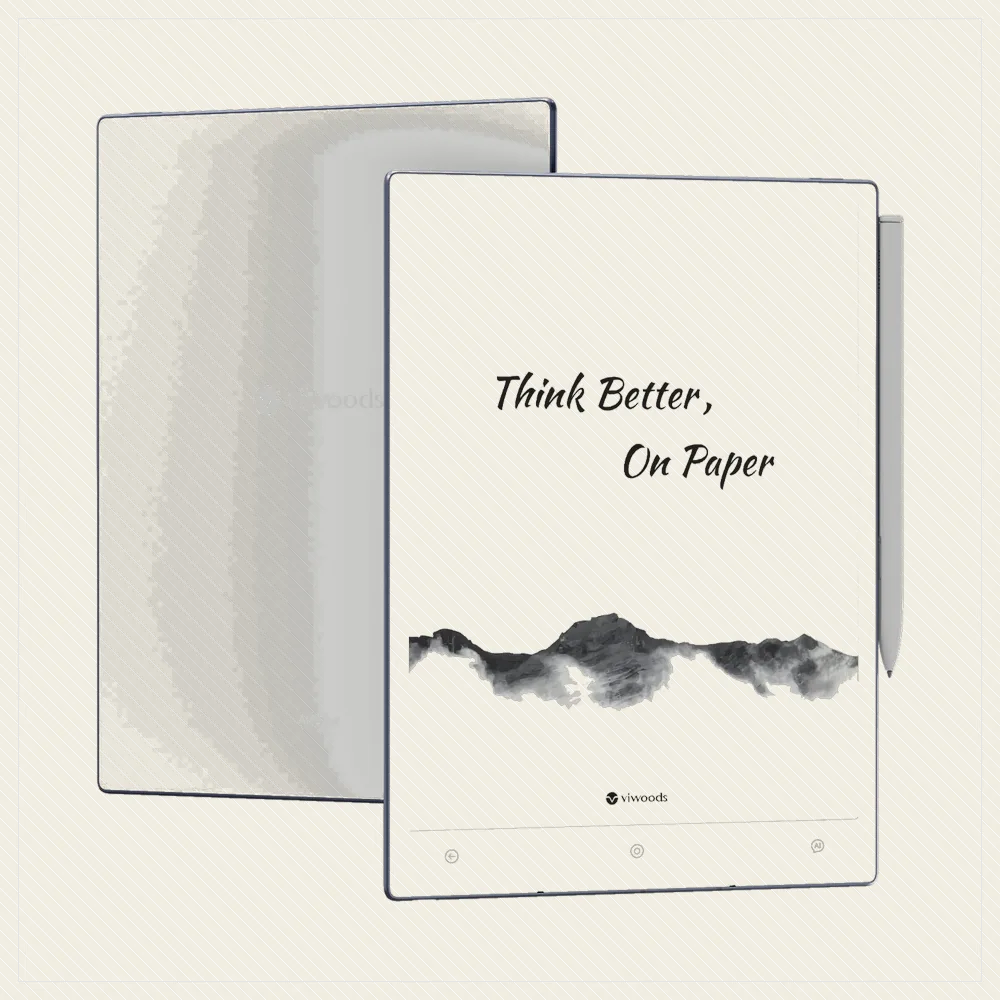
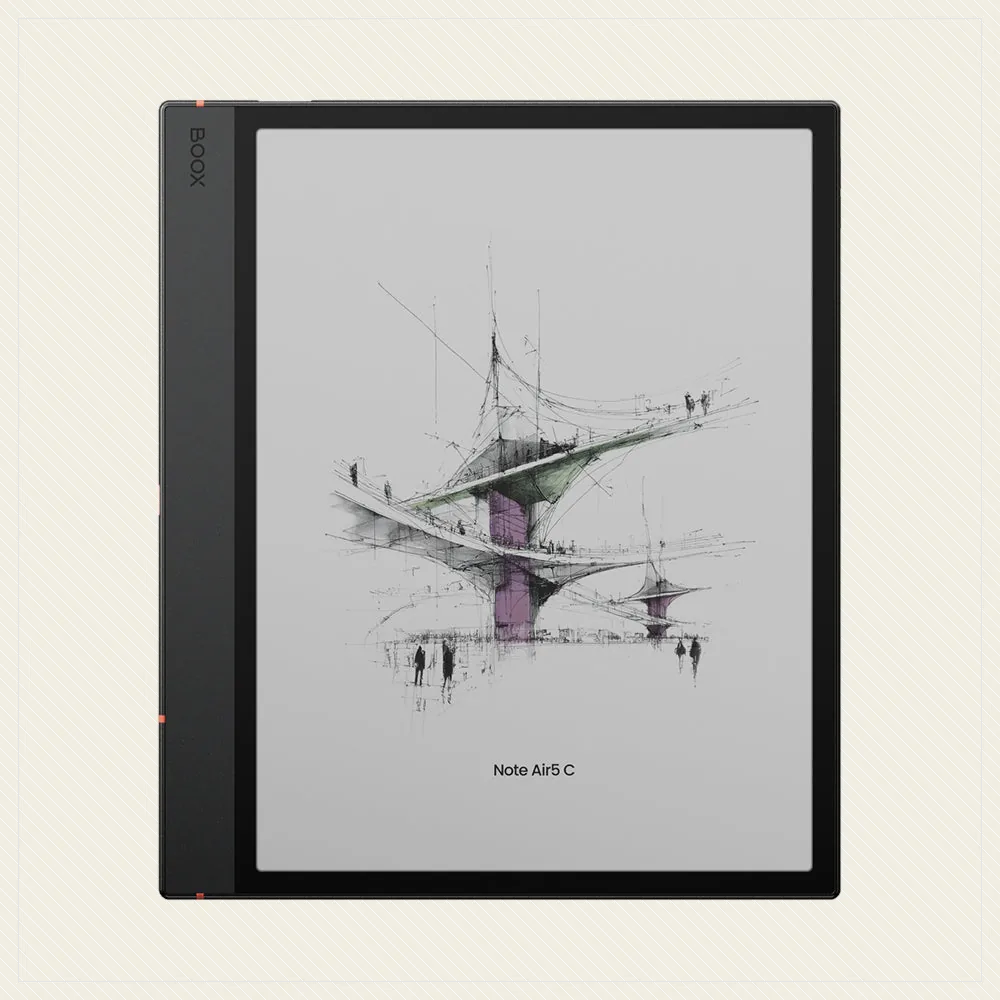
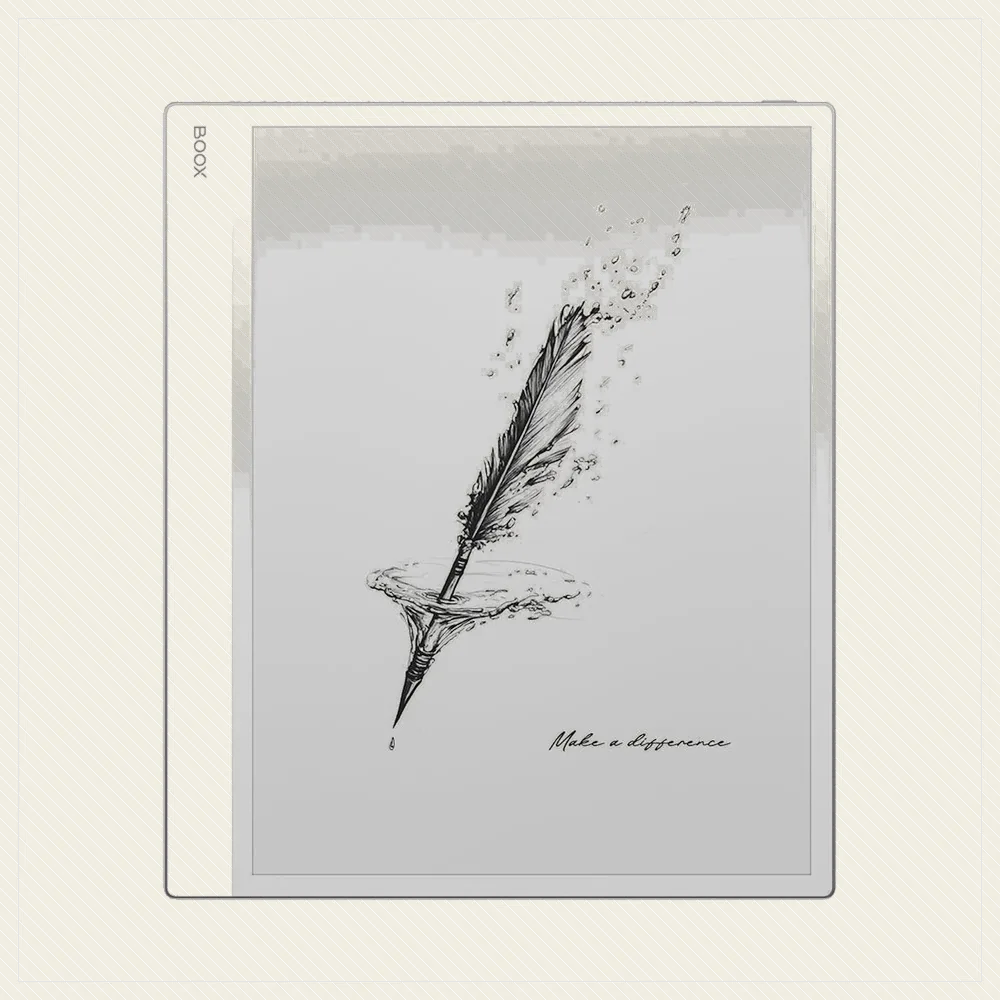
Want to leave Kindle and also take notes? The Kobo Elipsa 2E and Sage add pen support in the open Kobo ecosystem, the reMarkable Paper Pro is the focused writer's choice, and Boox devices run open Android so you can install any reading app, including the Kindle app itself if you ever want a foot in both camps. These cover note-taking without touching Amazon hardware.
When to Just Stick With Kindle
Be honest about the pull of Amazon. If you already own a large Kindle library, love Whispersync across your phone and reader, and buy most books from Amazon anyway, switching means leaving those books behind (DRM titles do not transfer) and relearning a store. If none of the openness reasons resonate with you, staying is perfectly reasonable, since Kindle is excellent at what it does.
Frequently asked
What is the best alternative to a Kindle?
Kobo, for most people. The Kobo Clara BW, Libra 2 and Libra Colour match or beat equivalent Kindles, add native EPUB and built-in library borrowing, and run polished software. For maximum format freedom, PocketBook; for writing, the reMarkable or Kobo Elipsa 2E.
Can I move my Kindle books to another e-reader?
Not easily. DRM-protected Kindle purchases do not transfer to other devices, so switching usually means leaving that library behind. DRM-free files you own can move freely. Factor this in before switching if you have a large Amazon library.
Why choose a non-Kindle e-reader?
Mainly for openness: native EPUB ownership, smoother library borrowing through OverDrive and Libby, and freedom from Amazon's walled garden. If those matter to you, a Kobo or PocketBook is a better fit. If you value Amazon's store and polish, a Kindle is fine.