
Are e-readers worth it in 2026 for everyday readers
Are e-readers worth it? For anyone who reads regularly, yes. A dedicated e-reader offers weeks of battery life, a paper-like e-ink screen that reduces eye strain, and fewer distractions than a tablet. If you mostly watch video or browse, a tablet still makes more sense.
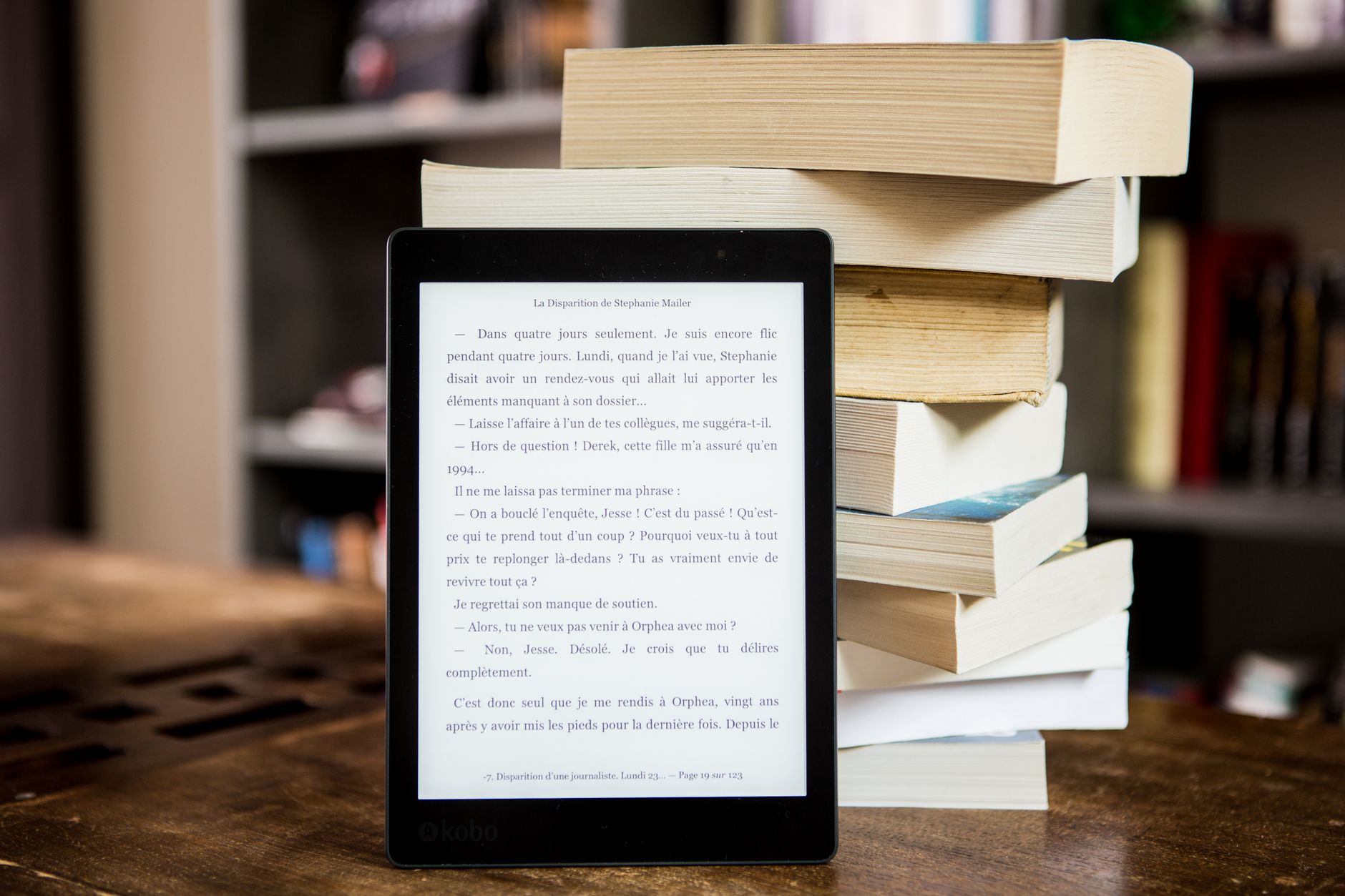
Are e-readers worth it? For anyone who reads regularly, yes. A dedicated e-reader offers weeks of battery life, a paper-like e-ink screen that reduces eye strain, and fewer distractions than a tablet. If you mostly watch video or browse, a tablet still makes more sense.
Every year, someone stares at a wall of gadgets and asks the same practical question: is a dedicated reading device worth buying, or is a phone or tablet good enough? If you have wondered whether a dedicated reading device deserves space in your bag, you are not alone. This guide breaks down the real trade-offs, the technology behind e-ink, and who benefits most, so you can decide with confidence.
What an e-reader is, and are e-readers worth it
An e-reader is a device built for one job: displaying text on an e-ink screen. Unlike the glossy panel on a phone, e-ink screens reflect ambient light the way paper does, so there is no backlight firing into your eyes.
Modern models add a gentle front light for reading in the dark, but the surface still works by reflection, not emission. That design explains the signature perks: a matte page you can read in direct sunlight, and a battery that sips power only when you turn a page.
How a dedicated reader compares to a tablet
The honest answer depends on how you use a screen. A tablet is a small computer that happens to show books; an e-reader is a book that happens to be electronic. Here is where each one pulls ahead.
Eye comfort and screen technology
For long reading, e-ink is the clear winner. Reviewers who test whether e-ink is easier on the eyes than an LCD point to the lack of a backlight and minimal blue light. A tablet is sharper and more colorful, which is great for comics or magazines, but it can feel harsh after a couple of hours with a novel.
Battery life and portability
E-readers routinely run for weeks on a charge, while a tablet usually needs power every day or two. They are also lighter than most hardcovers, and a single device can hold thousands of titles. For commuters and travelers, that combination is hard to beat.
Focus and fewer distractions
A tablet invites notifications, email, and one more video. An e-reader offers a quiet space with almost nothing to tap except the next page. Readers who struggle to finish books often report that the plainness is exactly the point.
| Factor | E-reader | Tablet |
|---|---|---|
| Screen | Reflective e-ink, paper-like | Backlit LCD or OLED |
| Eye comfort | High for long reading | Lower during long sessions |
| Battery | Weeks per charge | A day or two |
| Best for | Novels, focus, outdoors | Video, apps, color content |
| Distractions | Very few | Many |
E-reader benefits that matter most in 2026
If you are weighing e-reader benefits against a tablet or a stack of paperbacks, a few stand out for daily readers:
- Paper-like pages with noticeably less eye strain
- Battery life measured in weeks, not hours
- A matte screen you can actually read in sunlight
- Lightweight design that slips into any bag
- Fewer notifications, which means more finished books
- Growing repairability instead of disposable hardware
Repairability is a newer selling point. Some manufacturers now publish repairability scores and sell official replacement parts, so a dead battery after several years no longer forces a landfill visit.
Not sure which reading device fits your routine? Take a few minutes to list how, where, and how often you read before you buy. That short checklist saves you money and buyer's remorse.
Which reading device is worth it for your needs
One popular ecosystem is the default answer for many buyers, and for good reason: a huge store, dependable hardware, and tight integration. But is it the right pick for everyone? Not necessarily.
Other platforms appeal to readers who want library borrowing built in and easier repairs, while some offer larger screens or more open file formats. In a side-by-side look at reading devices and tablets, the recurring theme is fit: match the ecosystem to where you already buy or borrow books, and the debate mostly settles itself.
How to decide if an e-reader is worth it for you
So, is a dedicated reader right for your routine? Run through these honest questions before you buy:
- How many hours a week do you actually read?
- Do bright screens tire your eyes, especially at night?
- Do you read outdoors, on transit, or while traveling?
- Do you also need color, video, or full apps?
If you read for hours, value eye comfort, and want fewer distractions, the answer leans strongly toward yes. If you want one device for everything, a tablet remains the flexible pick, and some people happily keep both.
Conclusion
So, are e-readers worth it in 2026? For dedicated readers, the value is clear: gentle e-ink pages, battery life measured in weeks, sunlight readability, and a focus that book lovers appreciate. Casual users who mostly browse or watch may prefer a tablet, and buying both is a perfectly valid choice. Ready to choose? Compare a couple of models against how you really read, and let comfort, not hype, make the call.
Frequently asked questions
Are e-readers worth it if you already own a tablet?
Are e-readers worth it when you already have a tablet? Often yes, because they solve different problems. Your tablet handles video, email, and browsing, while an e-reader gives a glare-free e-ink page, longer battery life, and a distraction-free space for reading. If you read a few hours weekly, owning both makes sense.
Do e-readers really reduce eye strain?
E-ink displays reflect ambient light like paper instead of shining a backlight into your eyes, which many readers find gentler during long sessions. They also emit little or no blue light, a common trigger for eye fatigue and disrupted sleep. If screen tiredness bothers you at night, an e-reader usually feels more comfortable.
How long do e-reader batteries last?
Battery life is one of the biggest advantages of e-ink. Because the screen only draws power when the page changes, a single charge commonly lasts weeks of normal reading rather than hours. You can toss the device in a bag, forget the charger, and still trust it on a long trip.
Can you read e-books without buying an e-reader?
Yes. Free apps let you read e-books on a phone, tablet, or computer, so you can start without spending anything. The catch is comfort: those screens are emissive and can tire your eyes during long sessions. Public libraries also lend digital titles that work on both apps and dedicated readers.